
Drainage Systems Built for Heavy Precipitation
Gutters in Minnesota for properties experiencing foundation exposure, landscape erosion, and ice dam backup

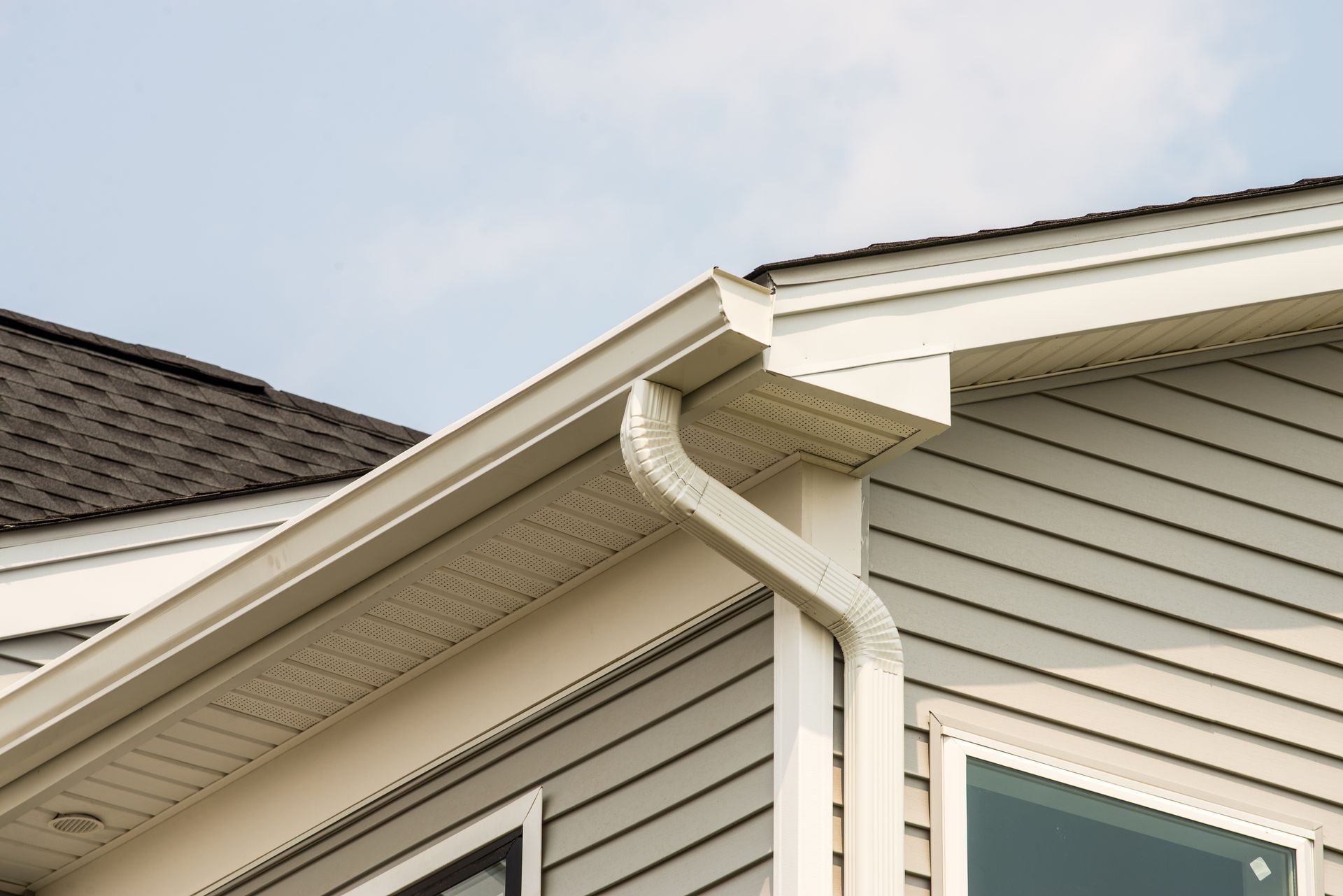
When gutters fail across Minnesota properties, you see soil erosion creating trenches along foundation walls, water pooling against basement perimeters during rainstorms, landscape mulch washing into driveways, and ice dams backing water under roof edges because clogged or damaged gutters prevent proper drainage during snowmelt cycles. Properly functioning gutter systems collect roof runoff and direct it through downspouts to discharge points away from structures, preventing the water intrusion, foundation settling, and exterior damage that occur when thousands of gallons flow uncontrolled off roof edges during Minnesota's frequent thunderstorms and seasonal snowmelt. PCS replaces damaged and deteriorating gutter systems for homes and commercial properties throughout Minnesota, where hail dents aluminum gutters until they hold standing water, heavy snow and ice tear sections from fascia boards, and freeze-thaw cycles crack joints until leaks develop.
Gutter replacement installs properly sized systems with adequate downspouts, correct slope to prevent standing water, and secure fascia attachment that withstands snow loads and ice accumulation common during Minnesota winters. When completed alongside roofing and siding restoration after storm damage, gutter work integrates with other systems to provide comprehensive exterior protection rather than isolated repairs that leave vulnerabilities.
Request a complimentary exterior inspection following severe weather to assess gutter damage and drainage performance across your property.
What Gutter Replacement Actually Accomplishes
New gutter systems eliminate the overflows, leaks, and ice buildup that damaged units create, using properly pitched sections that move water toward downspouts even during heavy rainfall rates exceeding one inch per hour. Durable materials resist the denting and cracking that compromise older gutters, while secure mounting prevents the sagging and separation that occur when fasteners pull loose or hangers fail under load.
After replacement, you notice water flowing cleanly off the roof into gutters during rainstorms without overflowing at corners or spilling through separated joints, dry foundation perimeters that previously showed mud splatter and erosion, and landscape areas that remain intact without the washout channels that formed when roof runoff concentrated in specific areas. Properly functioning drainage prevents basement seepage that occurs when water accumulates along foundation walls, reduces ice dam formation by moving snowmelt away before it refreezes at roof edges, and protects fascia boards and soffits from rot caused by water running behind failed gutter systems.
PCS evaluates discharge points to ensure downspouts direct water far enough from foundations to prevent pooling, recommends additional downspouts when existing configurations cannot handle roof area, and coordinates gutter installation with other exterior work to maintain weather protection throughout multi-system restoration projects. Insurance restoration expertise helps identify covered storm damage including hail dents, wind-torn sections, and ice damage that qualifies for claim consideration.
What Homeowners Frequently Ask
Gutter replacement raises practical questions about system performance, storm damage assessment, and drainage requirements specific to Minnesota's precipitation patterns and seasonal conditions.
What gutter damage indicates replacement rather than repair?
Extensive hail denting across multiple sections, separated joints that leak during rain, sagging spans where hangers have failed, and rust-through or cracks that compromise water containment all justify complete replacement rather than attempting repairs that may not restore proper function or appearance.
How do gutters affect foundation protection in Minnesota?
Properly functioning gutters collect and redirect thousands of gallons away from foundation perimeters during seasonal snowmelt and summer thunderstorms, preventing soil saturation that creates hydrostatic pressure against basement walls and causes seepage through cracks or joints in concrete.
When should gutters be replaced during exterior restoration?
Coordinating gutter replacement with roofing work allows installers to ensure proper integration between roof edge and gutter attachment, prevents damage to new gutters during roof tear-off, and completes weather protection before seasonal rains or snowmelt begin.
What gutter capacity requirements suit Minnesota weather?
Systems must handle heavy rainfall rates and large volumes from snowmelt, requiring adequate gutter width, sufficient downspouts for roof area, and proper slope to move water quickly rather than allowing accumulation that overflows during peak flow conditions.
How does storm damage appear on aluminum gutters?
Hail creates visible dents along the bottom and outer face, severe wind tears sections from fascia or collapses spans between hangers, and ice buildup from roof edge backup deforms gutters or pulls them away from mounting points during freeze-thaw cycles that add and remove weight repeatedly.
PCS installs drainage solutions designed for Minnesota's seasonal weather conditions, ensuring gutter systems protect foundations, landscapes, and exterior surfaces throughout the year. Contact PCS to schedule an inspection addressing drainage concerns or storm-related gutter damage.