
Protection Built for Seasonal Extremes
Roofing in Minnesota for properties facing hail damage, ice buildup, and premature system failure

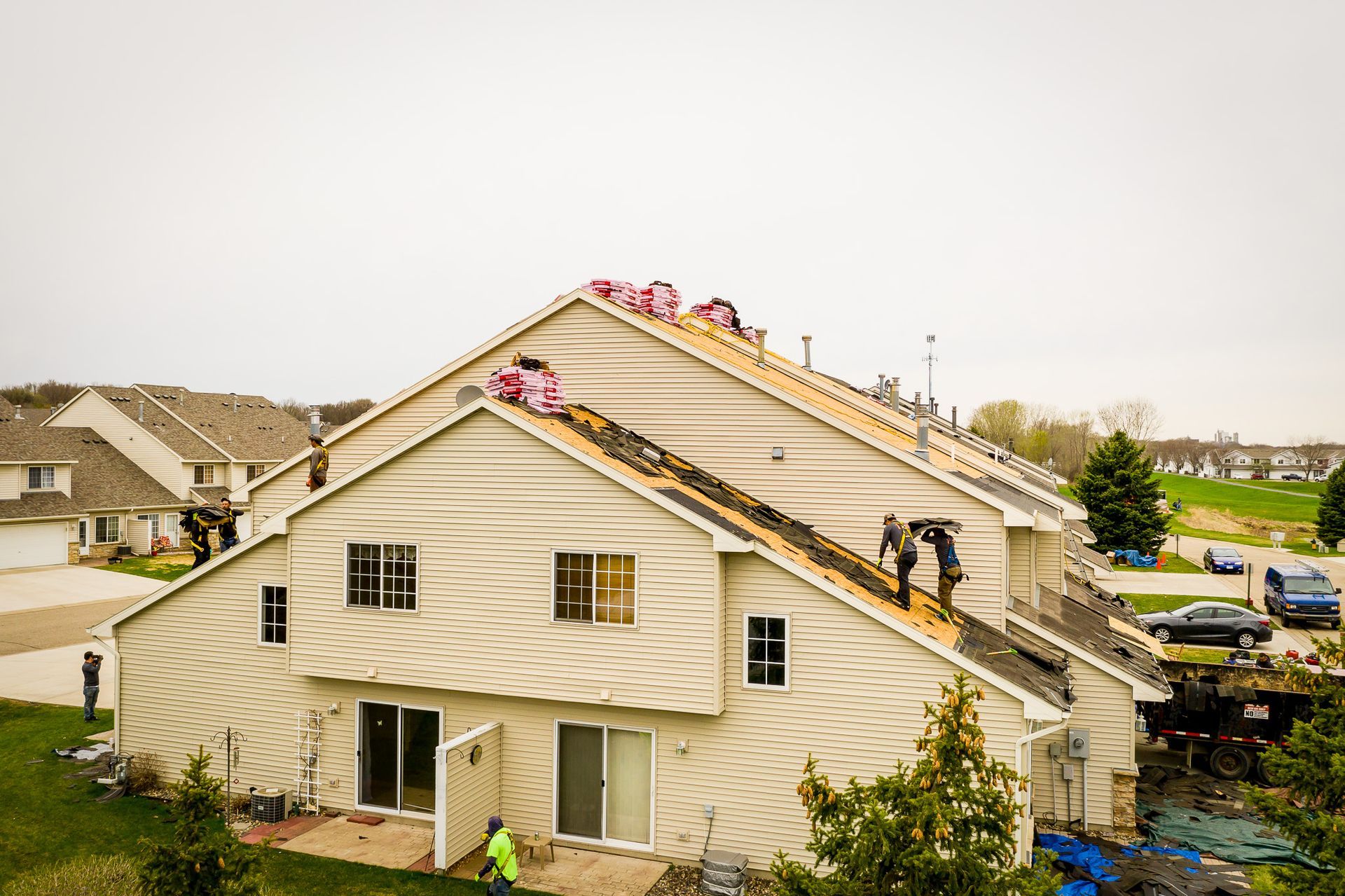
Minnesota roofing systems endure hailstorms that crater shingles and crack sealant bonds, winter ice dams that force water under flashing and into attic spaces, heavy snow loads exceeding forty pounds per square foot that stress decking and trusses, and temperature cycles ranging from negative thirty degrees to positive ninety degrees that expand and contract materials until fasteners loosen and seals fail. PCS specializes in storm restoration and insurance-related roof replacements for residential and commercial properties throughout Minnesota, where professional inspections identify damage before small compromises become interior leaks that ruin insulation, stain ceilings, and promote mold growth in concealed cavities. GAF Master Elite and GAF President's Club recognition confirms that PCS meets the highest installation standards and maintains product knowledge required to deliver manufacturer-backed warranties that protect your investment for decades.
Complete roofing services include post-storm inspections that document impact damage for insurance claims, tear-off and replacement of compromised systems, premium roofing products engineered for severe weather exposure, and installation practices that address ventilation, ice dam prevention, and wind uplift resistance specific to Minnesota's climate.
Schedule a complimentary roof inspection after severe weather to identify damage before leaks develop or insurance claim windows close.
How Proper Roofing Addresses Storm Damage
Roof replacement begins with complete removal of existing shingles, underlayment, and any damaged decking, followed by installation of ice and water barrier along eaves and valleys where ice dams form, synthetic underlayment across the entire deck for secondary water protection, and impact-resistant shingles rated UL 2218 Class 4 that withstand hail up to two inches in diameter without fracturing. Proper ventilation balances intake at soffits with exhaust at ridge vents, preventing attic heat buildup that melts snow unevenly and creates the ice dams that trap water behind frozen ridges along roof edges.
After installation, you notice no water stains appearing on ceilings during rain or snowmelt, uniform snow coverage across the roof without bare spots indicating heat loss, and attic temperatures that remain close to outdoor temperatures rather than trapping warmth that accelerates shingle aging. Premium systems include upgraded warranties covering both materials and workmanship, transferable coverage that adds value during property sales, and wind resistance ratings appropriate for straight-line winds and severe thunderstorms common across Minnesota.
PCS manages insurance restoration projects by coordinating with adjusters to ensure all storm damage receives proper documentation, matching discontinued shingle colors when partial replacements prove impossible, and scheduling installations during weather windows that allow proper sealant activation and fastener placement. Project timelines account for manufacturer lead times and seasonal weather constraints that affect when certain roofing work can proceed safely.
Common Questions About This Service
Roofing decisions involve understanding storm damage indicators, insurance processes, and installation standards that determine long-term performance in demanding climates.
What storm damage signs indicate roof replacement is necessary?
Hail impacts that remove granules exposing the asphalt mat, cracked or creased shingles, dented or damaged flashing, and fractured sealant bonds all compromise weather protection and typically qualify for insurance coverage when documented promptly after confirmed storm events.
How does GAF Master Elite certification affect installation quality?
This designation requires proven installation expertise, ongoing training on current techniques, financial stability, and customer service standards that fewer than three percent of roofing contractors achieve, ensuring installations meet specifications that validate manufacturer warranties covering materials for up to fifty years.
When should Minnesota property owners schedule roof inspections?
Inspections following hailstorms, high winds, or heavy snow loads identify damage before leaks develop, while annual inspections detect aging indicators like granule loss, curling, or fastener backing out that signal approaching end of service life.
What installation practices prevent ice dams in Minnesota?
Adequate attic ventilation, ice and water barrier extending at least three feet beyond exterior wall lines, proper insulation that prevents heat transfer from living spaces to attic areas, and sealed penetrations all reduce conditions that cause uneven snowmelt and ice dam formation along eaves.
How does impact-resistant roofing perform during hailstorms?
Class 4 impact-rated shingles incorporate reinforced mats and specialized asphalt compounds that absorb impact energy without fracturing, significantly reducing damage during storms that would crater standard shingles and often qualifying for insurance premium discounts in hail-prone regions.
PCS combines certified installation with quality materials throughout Minnesota, ensuring roofing systems provide reliable protection through decades of severe weather exposure. Request a complimentary inspection to evaluate current roof condition or document storm-related damage for insurance purposes.