Exterior Walls Built for Weather Extremes
Siding in Littleton for Properties with Hail Dents and UV Fading

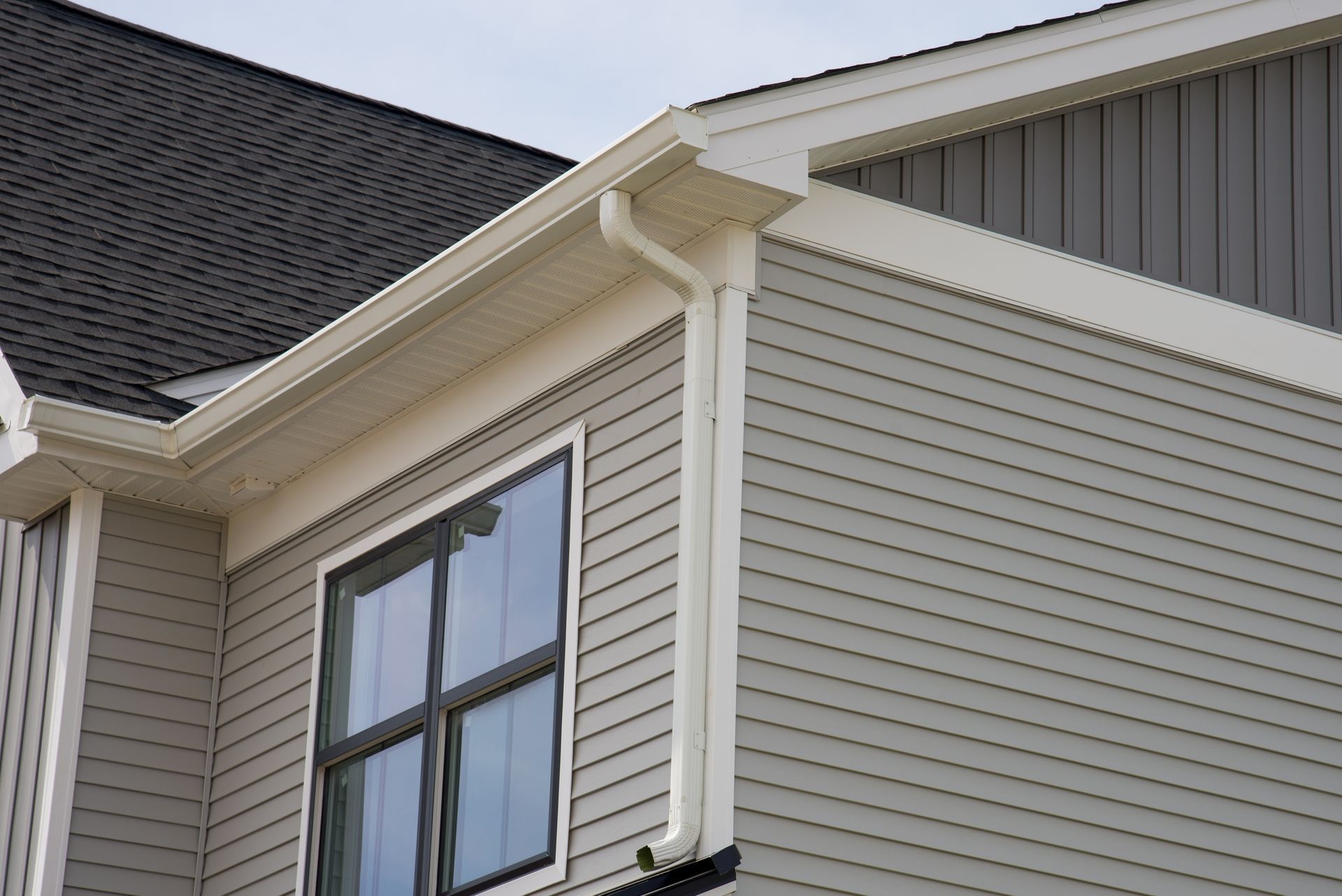
Hail leaves circular dents in vinyl and aluminum siding that trap moisture and create entry points for insects, while prolonged sun exposure at Colorado's elevation causes color fade and brittleness that leads to cracking during temperature swings between day and night. PCS Residential provides siding inspection, damage documentation, and full replacement using materials engineered to absorb impact and resist UV breakdown across Littleton properties. Wind-driven debris during spring storms adds another failure mode, tearing panels from wall sheathing and exposing insulation to moisture infiltration.
Complete siding replacement addresses storm damage while upgrading exterior protection—modern materials include impact-resistant profiles, fade-resistant pigments, and interlocking designs that prevent wind from lifting panels during sustained gusts. Insurance restoration requires photographing every damaged panel, measuring dent depths, and documenting how hailstone size correlates with the damage pattern, since adjusters deny claims when evidence doesn't match storm reports.
Schedule a complimentary exterior inspection to evaluate current siding condition and determine whether storm damage qualifies for insurance coverage.
How Siding Replacement Improves Energy Performance
Siding replacement allows contractors to add insulated backing or upgrade wall sheathing, which reduces heat transfer through exterior walls. Older siding often lacks proper overlap at seams, creating air infiltration paths that force heating systems to work harder during Colorado winters when temperatures drop below zero.
After installation finishes, you'll see consistent color across all wall surfaces, tight seams around windows and doors, and panels that lie flat without warping or buckling. Properties regain curb appeal while gaining exterior protection that handles hail, wind, and temperature fluctuations better than aging materials that have already endured years of weather exposure.
Material selection affects maintenance requirements—fiber cement resists insect damage and won't rot when moisture penetrates, while engineered vinyl includes stabilizers that prevent the brittleness older formulations developed after UV exposure. Warranties vary by product line, with premium options offering fade protection and impact coverage that standard grades don't include.
Common Questions About Exterior Restoration
Property owners in Littleton often ask about material performance, insurance processes, and project logistics before committing to siding replacement.
What siding materials withstand Colorado hailstorms most effectively?
Fiber cement and impact-resistant vinyl with thicker profiles absorb hail strikes better than thin-gauge aluminum or standard vinyl, reducing dent depth and preventing panel fractures.
How does temperature fluctuation affect siding installation timing?
Panels expand and contract with temperature changes, so installers adjust fastener placement and overlap measurements based on ambient temperature during installation to prevent buckling in summer or cracking in winter.
What happens during an insurance restoration siding inspection?
Contractors document every dent, crack, and separated seam with photographs and measurements, then create estimates showing replacement costs based on matching existing materials or upgrading to impact-resistant alternatives.
How does new siding reduce heating and cooling costs?
Properly installed siding eliminates air gaps, while insulated backing options add R-value to exterior walls, reducing thermal transfer that forces HVAC systems to compensate for outdoor temperature extremes.
What indicators show siding has sustained storm damage?
Circular dents from hail, torn or missing panels from wind, cracked corners from impact, and faded color inconsistency all suggest damage that may qualify for insurance claims if correlated with documented weather events.
PCS Residential coordinates with insurance adjusters to document storm-related siding damage and complete replacements using certified installation methods that protect properties for decades. Arrange an exterior assessment to review damage, discuss material options, and evaluate whether insurance restoration applies to your property.