Roofs That Handle Colorado's Extreme Conditions
Roofing in Littleton for Properties Exposed to Hail and High-Altitude UV Damage

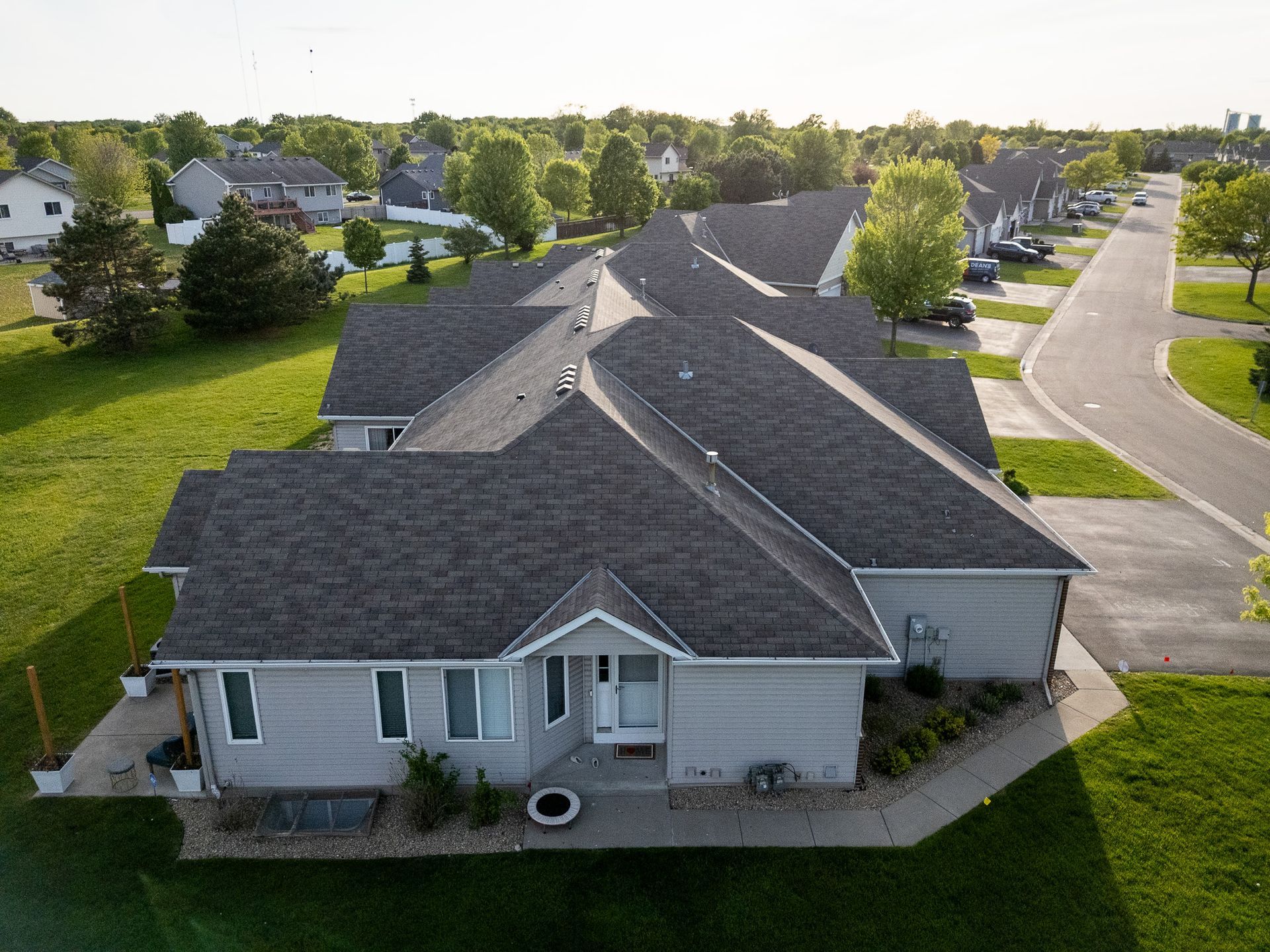
Colorado's high-altitude environment subjects roofing systems to conditions that accelerate deterioration—intense ultraviolet radiation at elevation degrades shingles faster than in lower-altitude regions, while sudden hailstorms and high winds create impact damage that often goes unnoticed until leaks develop. PCS Residential handles roofing inspections, repairs, full replacements, and insurance restoration for residential and commercial properties across Littleton, documenting storm damage and coordinating directly with insurance adjusters to restore systems using materials rated for this climate. Heavy snowfall and freeze-thaw cycles add another layer of stress, causing fasteners to loosen and flashing to separate over time.
Complete roofing services address both visible damage and underlying structural issues caused by hail impacts, wind uplift, and prolonged sun exposure. GAF Master Elite and GAF President's Club certifications confirm that installations meet manufacturer standards for material handling, fastener placement, and ventilation design—details that directly affect how long a roof performs under Colorado weather patterns.
Schedule a complimentary roof inspection to assess current conditions and identify damage that may qualify for insurance coverage.
What Proper Storm Damage Documentation Requires
Insurance restoration begins with identifying hail bruising on shingles, creased flashing around vents and chimneys, and fractured sealant strips that compromise wind resistance. Adjusters look for consistent impact patterns across roof planes and correlation with documented storm reports—missing this documentation often results in claim denials even when damage exists.
Once a claim is approved and materials arrive, you'll notice crews removing compromised decking, upgrading underlayment to synthetic barriers that handle temperature swings better than felt, and installing shingles with high wind ratings and impact resistance classifications. PCS Residential uses fastener patterns and starter strip configurations that meet code requirements for Colorado's wind zones, which vary depending on property elevation and exposure.
Manufacturer warranties depend on certified installation—improper nail placement, inadequate ventilation, or mixing product lines void coverage even if premium materials are used. Every roof replacement includes attic ventilation evaluation since trapped heat accelerates shingle aging and ice dam formation during winter months.
Questions Property Owners Ask Before Starting
Roofing projects in Littleton involve specific considerations related to weather timing, material selection, and insurance processes that affect both cost and long-term performance.
How does hail damage affect shingles even when no leaks are visible?
Hail impacts fracture the asphalt mat and dislodge granules that protect against UV degradation, which shortens lifespan significantly even if the roof remains watertight initially.
What roofing materials handle Colorado's freeze-thaw cycles and high winds most effectively?
Impact-resistant shingles with Class 4 ratings and high wind certifications perform better in hail-prone areas, while synthetic underlayment resists moisture penetration during snow accumulation better than traditional felt.
When should property owners schedule inspections after severe weather?
Inspections within weeks of documented hail or windstorms allow adjusters to correlate damage with specific events, which strengthens insurance claims compared to delayed reporting.
How long do roof replacements take from insurance approval to completion?
Most residential projects span one to three days for installation once materials arrive, though insurance timelines and product availability affect overall project duration.
What documentation supports insurance claims for storm-damaged roofs?
Photographic evidence of hail strikes on shingles, damaged flashing, and bruised vents combined with weather reports showing hail size and wind speeds create the documentation adjusters require to approve claims.
PCS Residential works directly with insurance companies to document damage, estimate restoration costs, and complete installations using materials backed by manufacturer warranties designed for Colorado conditions. Request a complimentary storm damage assessment to determine whether your roof qualifies for insurance restoration or requires proactive replacement.