
Exteriors That Withstand Weather and Impact
Siding in Minnesota for buildings showing hail dents, moisture intrusion, and temperature-related cracking

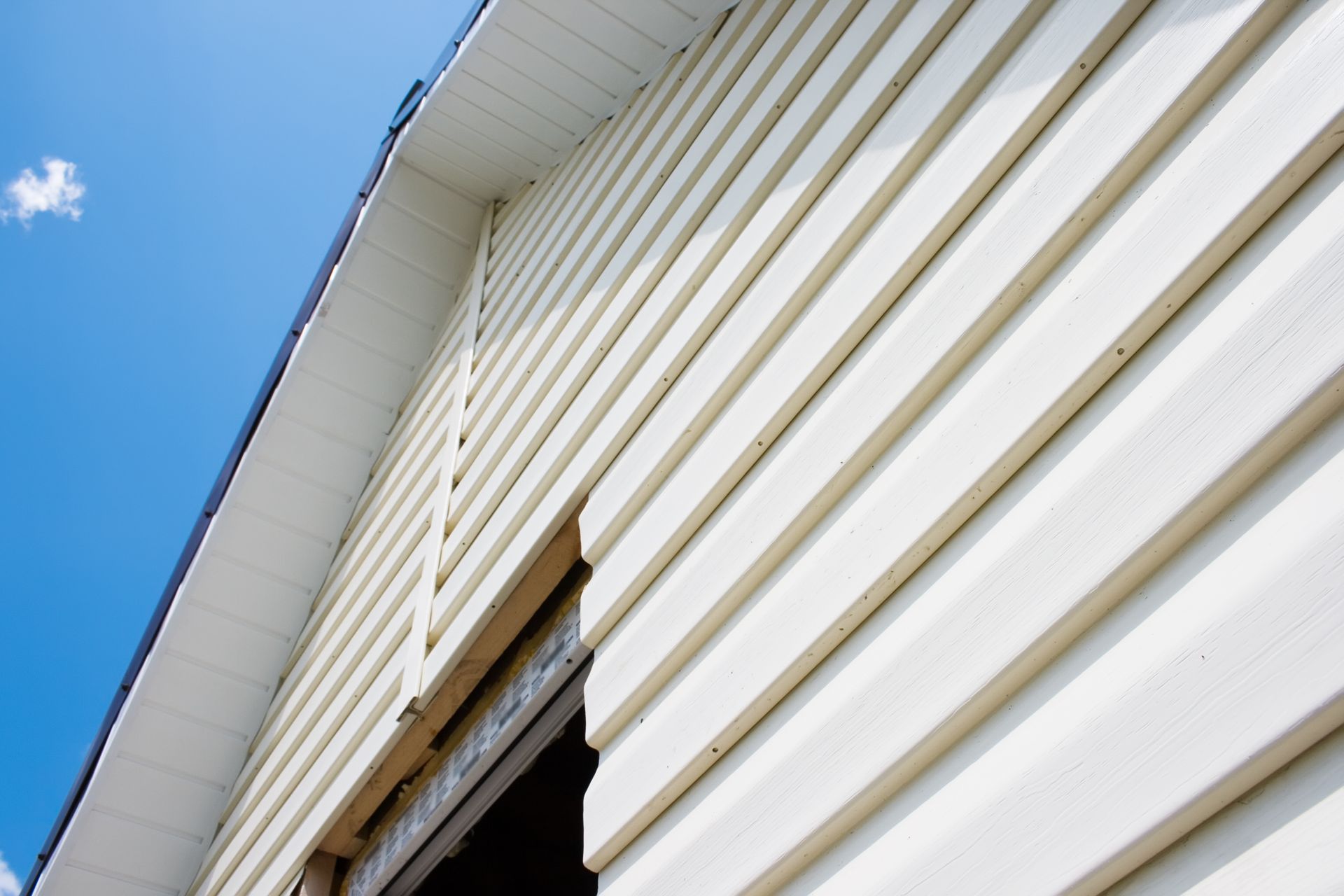
Hailstorms that cross Minnesota during spring and summer months strike vinyl siding with enough force to create visible dents, crack brittle panels, and fracture the interlocking edges that create weathertight seals between courses, while seasonal temperature swings cause expansion and contraction that loosens fasteners and opens gaps where wind-driven rain penetrates to sheathing and framing. Complete siding replacement through PCS addresses both storm damage and long-term performance failures for residential, commercial, multifamily, and HOA properties where compromised exteriors reduce curb appeal, allow moisture intrusion that rots structural components, and increase heating costs as air infiltrates through separated joints. Certified installation ensures proper fastening techniques that allow thermal movement without buckling during summer heat or cracking during winter cold.
Siding replacement involves removing damaged materials, inspecting and repairing any underlying sheathing affected by moisture intrusion, installing water-resistive barriers that direct incidental water to the exterior, and fitting new siding with correct fastener placement and expansion gaps that accommodate Minnesota's temperature extremes. For insurance restoration projects, PCS documents all impact damage with measurements and photographs that support claim submissions and works to match existing materials when partial replacement becomes necessary.
Request a free exterior inspection to assess storm damage or aging siding that no longer protects your property adequately.
What Proper Siding Requires
Quality siding installation requires fasteners placed in the center of nailing slots to allow horizontal movement as panels expand during heat and contract during cold, with fasteners driven flush rather than overdriven which restricts movement and causes buckling or cracking. Each panel must overlap correctly at joints, maintain proper reveals between courses, and align around windows and doors with J-channel or trim pieces that seal edges while accommodating movement.
Once replacement completes, you see uniform color and texture across all elevations without the faded patches and mismatched repairs that accumulated over years, and you notice no water stains appearing on interior walls near windows or along foundation lines where previous siding failures allowed penetration. Updated siding improves energy efficiency by eliminating air infiltration through cracked panels and separated joints, reduces exterior maintenance as newer materials resist moisture absorption and UV degradation better than aged products, and increases property value by eliminating deferred maintenance concerns that affect appraisals and buyer decisions.
PCS coordinates siding replacement with other exterior restoration work when storm damage affects multiple systems simultaneously, ensuring consistent project timelines and matching material deliveries that prevent extended exposure of building components. Material selection considers durability requirements for Minnesota weather, architectural compatibility with existing structures, and whether storm damage necessitates matching discontinued products or upgrading entire elevations for uniform appearance.
Questions Before Starting Your Project
Siding replacement decisions involve understanding damage assessment, material performance in regional climates, and installation practices that affect long-term results.
What siding damage qualifies for insurance coverage in Minnesota?
Hail dents, wind-caused cracks, and impact-related fractures documented shortly after confirmed storm events typically qualify for coverage, while damage from gradual deterioration, improper installation, or lack of maintenance generally falls outside policy terms.
How does seasonal temperature affect siding installation?
Vinyl and other materials contract during cold weather, requiring installers to adjust fastener placement and expansion gaps differently in winter than summer to prevent buckling when temperatures rise or cracking when panels contract beyond their available movement range.
When should property owners replace rather than repair damaged siding?
If hail or wind has affected multiple elevations, created numerous impact points across large areas, or damaged discontinued products that cannot be matched, complete replacement delivers uniform appearance and performance rather than patchwork repairs that remain visible and may not seal properly.
What happens during siding inspection and documentation?
PCS examines all exterior elevations for impact dents, cracks, separation at joints, and moisture intrusion evidence, measuring affected areas and photographing damage patterns that insurance adjusters evaluate when determining whether storm events caused the deterioration requiring replacement.
How does new siding improve energy efficiency?
Properly installed siding eliminates air infiltration through cracks and separated joints that force heating and cooling systems to compensate for outdoor air mixing with conditioned interior air, while modern products include improved insulation values and moisture barriers that older systems lacked.
PCS delivers professional siding installation throughout Minnesota, ensuring exterior protection performs reliably through years of hail exposure, temperature cycling, and moisture challenges. Arrange an inspection with PCS to evaluate current siding condition or document recent storm damage.